Executive Summary
The typical urban Indian diet derives only 8-10% of total calories from protein, leading to the infamous "skinny-fat" phenotype (high visceral belly fat with low skeletal muscle mass). By pairing traditional Indian superfoods (Sattu, Paneer, Sprouts) with high-efficiency whey isolate, you can achieve optimal muscle protein synthesis (MPS) naturally.
1. The Indian Vegetarian Protein Conundrum
Most Indians are raised on the myth that "Dal and Roti provide plenty of protein". While lentils and whole grains are nutritious staples packed with B-vitamins and soluble fiber, their macronutrient ratio is primarily carbohydrate-dominant.
A standard 150ml bowl of cooked yellow toor dal provides approximately 6-7 grams of protein alongside 22-25 grams of carbs. Consuming 120 grams of protein solely through dal would require drinking 18 to 20 bowls daily, flooding the body with excess starch, anti-nutrients (phytates), and uncomfortable gastric fermentation.
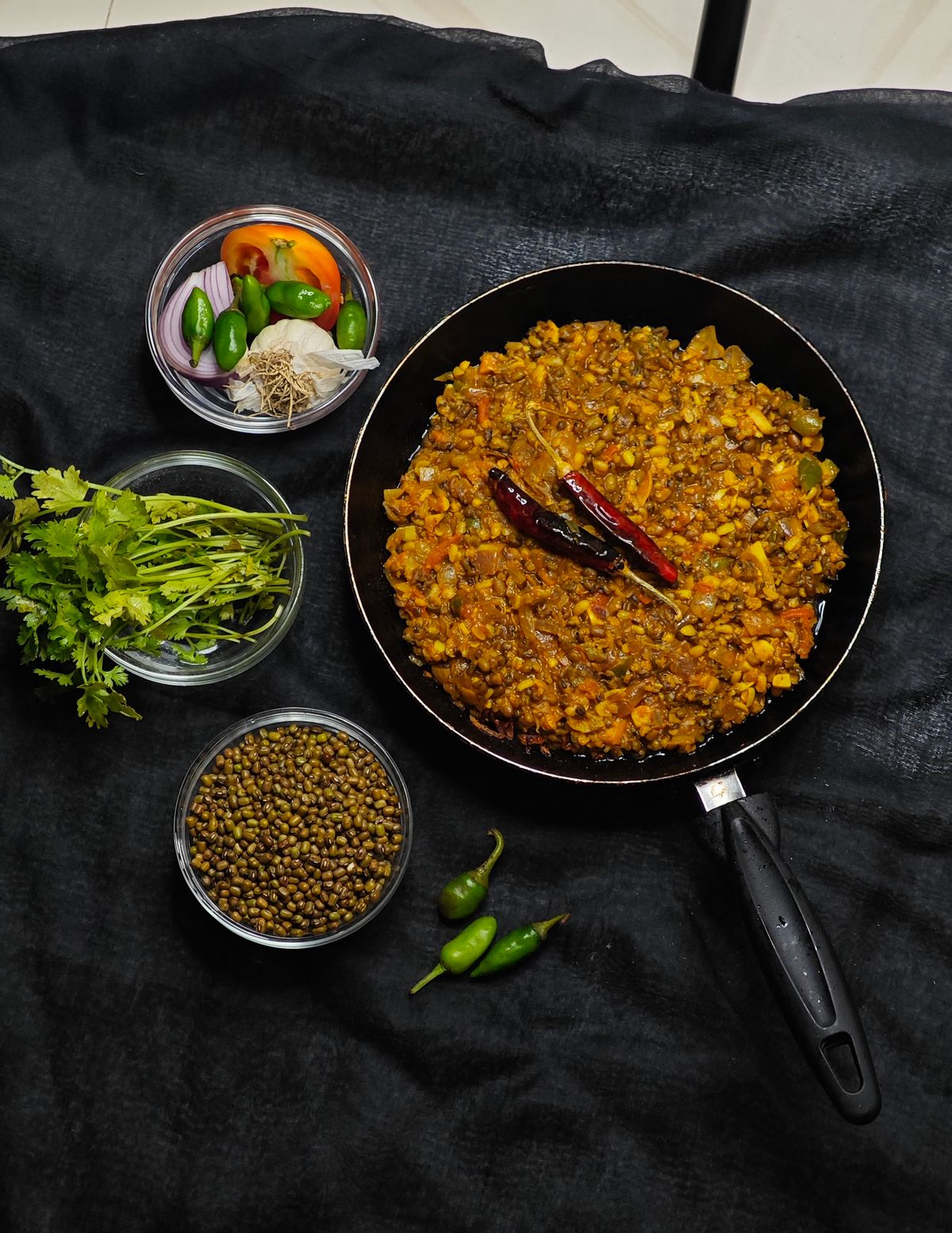 Clean Indian ingredients provide both micronutrient density and lean building blocks.
2. Ranking Indian Desi Protein Sources
To optimize lean hypertrophy without unwanted adipose gain, evaluate protein based on the Protein-to-Calorie Ratio:
| Food Item | Serving Size | Protein (g) | Carbs (g) | Fats (g) | Total kcal |
|---|---|---|---|---|---|
| Low-Fat Cow Paneer | 100g | 18g - 20g | 3g | 6g - 8g | 170 kcal |
| Roasted Chana Sattu | 50g (2 scoops) | 13g | 32g | 3g | 205 kcal |
| Organic Soy Chunks | 50g (raw dry) | 26g | 16g | 0.5g | 175 kcal |
| Sprouted Moong Beans | 100g | 8g | 19g | 0.5g | 105 kcal |
| Whey Isolate (Filtered) | 30g (1 scoop) | 27g | 1g | 0.5g | 115 kcal |
3. Debunking The Whey Protein Misconception
In many Indian households, elders equate powdered whey protein with illegal synthetic hormones. Chemically and biologically, whey is merely the liquid separated from cow's milk during paneer creation, micro-filtered to remove lactose and fat.
It is 100% vegetarian, completely pure, and possesses the highest biological value (BV 104) and leucine content of any food known to nutritional science. Taking 1 scoop post-workout supplies the exact 3 grams of leucine required to switch on the mTOR muscle-building pathway.
4. Sample 140g High-Protein Daily Schedule
- 07:30 AM (Breakfast): 3 Moong Dal Chillas stuffed with 80g Paneer + Green Mint Chutney. 28g Protein
- 11:00 AM (Mid-Morning): 40g Sattu churned with roasted cumin, rock salt, and chilled buttermilk. 14g Protein
- 01:30 PM (Lunch): 2 Jowar Rotis + 150g Palak Paneer or Soya Chunks Bhurji + fresh salad. 35g Protein
- 05:30 PM (Pre-Workout): 1 Banana + Black Coffee with cinnamon + 10 soaked almonds.
- 07:30 PM (Post-Workout): 1 Scoop Whey Isolate shaken with 250ml cold water. 27g Protein
- 09:00 PM (Dinner): Stir-fried Tofu with bell peppers & mushrooms + 1 bowl thick curd (dahi). 36g Protein
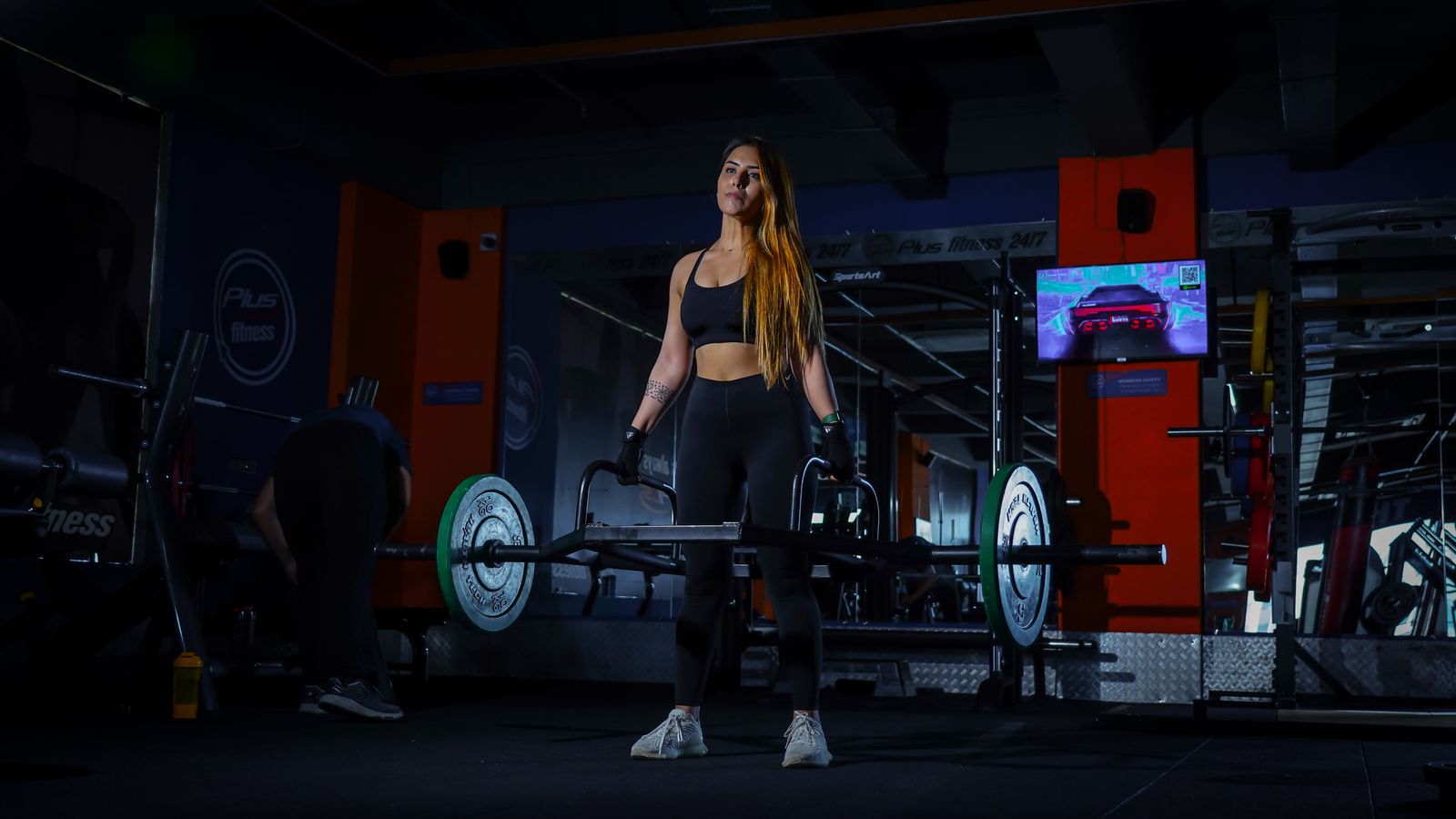
Dr. Aarti Nair, RD
Aarti has advised Indian Olympic track athletes, national powerlifters, and over 1,200 working professionals across Bangalore and Mumbai on sustainable metabolic fat loss.
Get Your Personalized Indian Diet Blueprint
Our clinical sports dietitians build custom calorie and macro targets mapped to your favorite local cuisine.